







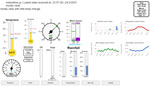


Δείκτης Κινδύνου Φωτιάς, βάσει του δείκτη 'Chandler Burning Index' (CBI)Η παρούσα υλοποίηση του δείκτη Chandler Burning Index, χρησιμοποιεί τις τρέχουσες τιμές θερμοκρασίας αέρα και σχετικής υγρασίας, για να δημιουργήσει έναν αριθμητικό δείκτη κινδύνου πυρκαϊάς.. |
||||
|
Τρέχων Δείκτης Κινδύνου Πυρκαϊάς (CBI) Κατόπιν, η αριθμητική τιμή χρησιμοποιείται για να χαρακτηριστεί ονομαστικά ο δείκτης σύμφωνα με τα ακόλουθα όρια: |
||||
|
<50 = ΧΑΜΗΛΟΣ |
50-75 = ΜΕΣΑΙΟΣ |
75-90 = ΥΨΗΛΟΣ |
90-97.5 = Π.ΥΨΗΛΟΣ |
>97.5 = ΑΚΡΑΙΟΣ |
|
Ο δείκτης CBI ακολουθεί γραμμικά τις μεταβολές της θερμοκρασίας , αλλά σε εκθετικό βαθμό τις μεταβολές της σχετικής υγρασίας, με αποτέλεσμα μια μικρή μεταβολή της σχετικής υγρασίας να μεταβάλλει σημαντικά την τιμή του δείκτη CBI. |
||||
|
Χρωματικός Κώδικας |
Περιγραφή |
|||
|
Σιελ (Χαμηλή) |
Οι καύσιμες ύλες δεν αναφλέγονται εύκολα από μικρές εστίες φωτιάς, αν και μια πιο έντονη πηγή, όπως ο κεραυνός μπορεί να αναφλέξει πεσμένα κλαδιά ή λεπτά και σάπια ξύλα. Χόρτολειβαδική έκταση μπορεί να αναφλεγεί λίγες ώρες μετά από βροχή χωρίς ιδιαίτερο κίνδυνο εξάπλωσης και όποια δασική φωτιά είναι έρπουσα και σιγοκαίει. Εξαπλώνεται πολύ αργά και ακανόνιστα με μικρό κίνδυνο ζημιών ή δημιουργία εστιών. |
|||
|
Μπλε (Μεσαίος) |
Μπορεί να υπάρξουν φωτιές από οποιαδήποτε αιτία αλλά, με εξαίρεση τις φωτιές που ξεκινούν από κεραυνό σε κάποιες περιοχές, ο αριθμός τους είναι γενικά χαμηλός. Φωτιές σε χορτολειβαδική έκταση θα είναι έντονες και θα εξαπλώνονται γρήγορα ειδικά τις ανεμώδεις μέρες. Φωτιές σε ξυλεία θα εξαπλώνονται αργά ή σχετικά γρήγορα. Ο μέσος όρος πυρκαιών σε αυτό το επίπεδο κινδύνου είναι μέτριας έντασης αν και σε σημεία υψηλής συγκέντρωσης καύσιμης ύλης, θα προκαλέσουν αρκετά δυναμική φωτιά. Μπορεί να προκληθούν μικρές εστίες, που δεν είναι όμως ανθεκτικές. Σ'αυτές τις περιπτώσεις, οι φωτιές δεν είναι σοβαρές και ελέγχονται σχετικά εύκολα. |
|||
|
Κίτρινο (Μέγιστη) |
Η πεσμένη ξυλεία αναφλέγεται εύκολα και δημιουργούνται φωτιές με μικρές αφορμές. Μη καλά ελεγχόμενες φωτιές, όπως φωτιές κατασκηνωτών, μπορεί εύκολα να διαφύγουν. Αυτές οι φωτιές εξαπλώνονται γρήγορα και η δημιουργία μικρών εστιών είναι συνηθισμένη. Είναι υψηλής έντασης σε πλαγιές ή σε σημεία που υπάρχει συγκέντρωση εύφλεκτης βλάστησης. Οι φωτιές εξελίσσονται σε αρκετά σοβαρές και ελέγχονται δύσκολα, εκτός αν η επέμβαση πυρόσβεσης γίνει έγκαιρα όταν η έκτασή τους είναι ακόμα μικρή. |
|||
|
Πορτοκαλί (Πολύ Υψηλός) |
Η ανάφλεξη είναι εύκολη από όλες τις αιτίες. Οι φωτιές γρήγορα εντείνονται και εξαπλώνονται πολύ γρήγορα. Οι εστίες που δημιουργούνται, αποτελούν συνεχή κίνδυνο εξάπλωσης. Οι φωτιές σε μη ιδιαίτερα εύφλεκτη βλάστηση μπορεί γρήγορα να γίνουν υψηλής έντασης με αρκετά μεγάλες εστίες και να δημιουργηθούν φαινόμενα στροβιλισμού μόλις φτάσουν σε σημεία με έντονη παρουσία εύφλεκτης ξυλείας. |
|||
|
Κόκκινο (Ακραία) |
Οι φωτιές δημιουργούνται άμεσα, εξαπλώνονται ραγδαία και είναι πάρα πολύ έντονες. Ολες οι φωτιές θεωρούνται δυνητικά σοβαρές. Η εξέλιξη τους σε φωτιές υψηλής έντασης είναι συνήθως πιο γρήγορη από το πολύ υψηλό επίπεδο κινδύνου και προκύπτουν από μικρότερες εστίες. Η άμεση επέμβαση πυρόσβεσης είναι σπάνια εφικτή και μπορεί να προβεί επικίνδυνη, εκτός αν γίνει αμέσως μετά την ανάφλεξη. Φωτιές που δημιουργούν μέτωπα σε εύφλεκτο υλικό, όπως πυκνή κωνοφόρα βλάστηση, μπορεί να είναι ανεξέλεγκτες όσο διαρκεί η έντονη καύση της. Κάτω από τέτοιες συνθήκες ο μόνος αποτελεσματικός και ασφαλής τρόπος ελέγχου, μπορεί να γίνει πλευρικά μέχρι να αλλάξει ο καιρός ή να μειωθεί η καύσιμη ύλη. |
|||
 Σε περίπτωση ανάγκης, καλέστε την Πολιτική Προστασία στο 112
 |
||||
 |
||||

|
Ο καιρός στο Ιστορικό Κέντρο Θεσσαλονίκης, Απευθείας! |
Κυριακή 17-05-2026 |
 |
  |

|

|
||
| Free Hit Counter
|
|||
| Κεντρική Μακεδονία, Ελλάδα - Γ.Πλάτος : 40.631749 Β - Γ.Μήκος : 22.948172 Α - Υψόμετρο : 42μ(σταθμός) | Καληνύχτα!  |
||
18°C
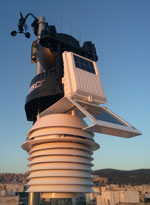
Μετεωρολογικός Σταθμός Ιστορικού Κέντρου
Ενημερώθηκε:
17/05/2026 03:45
meteothes Panorama 360° - Ο ορίζοντας της Θεσσαλονίκης Απευθείας!   |
Περιεχόμενα
Υποστηρικτές

Πληροφορίες
|
Φως Ημέρας Σήμερα:
14 ώρες 31 λεπτά 60.5%/39.5% 1 λεπτά περισσότερο από χθες |
Φιλικοί Χώροι


Χρήσιμα
Κίνηση Ιστοσελίδας
|
|
||
 |
© 2005-2026, Αθανάσιος Τσιουκανάρας (Διαχειριστής)
Δικαιώματα: Μη δημοσιεύετε περιεχόμενα της σελίδας χωρίς άδεια!
Πληροφορίες
Αποποίηση Ευθύνης: Μη χρησιμοποιείτε τα στοιχεία αυτά για προστασία ζωής και ιδιοκτησίας!
|
 |

 |
 |
 |
 |
 |
 |
|
